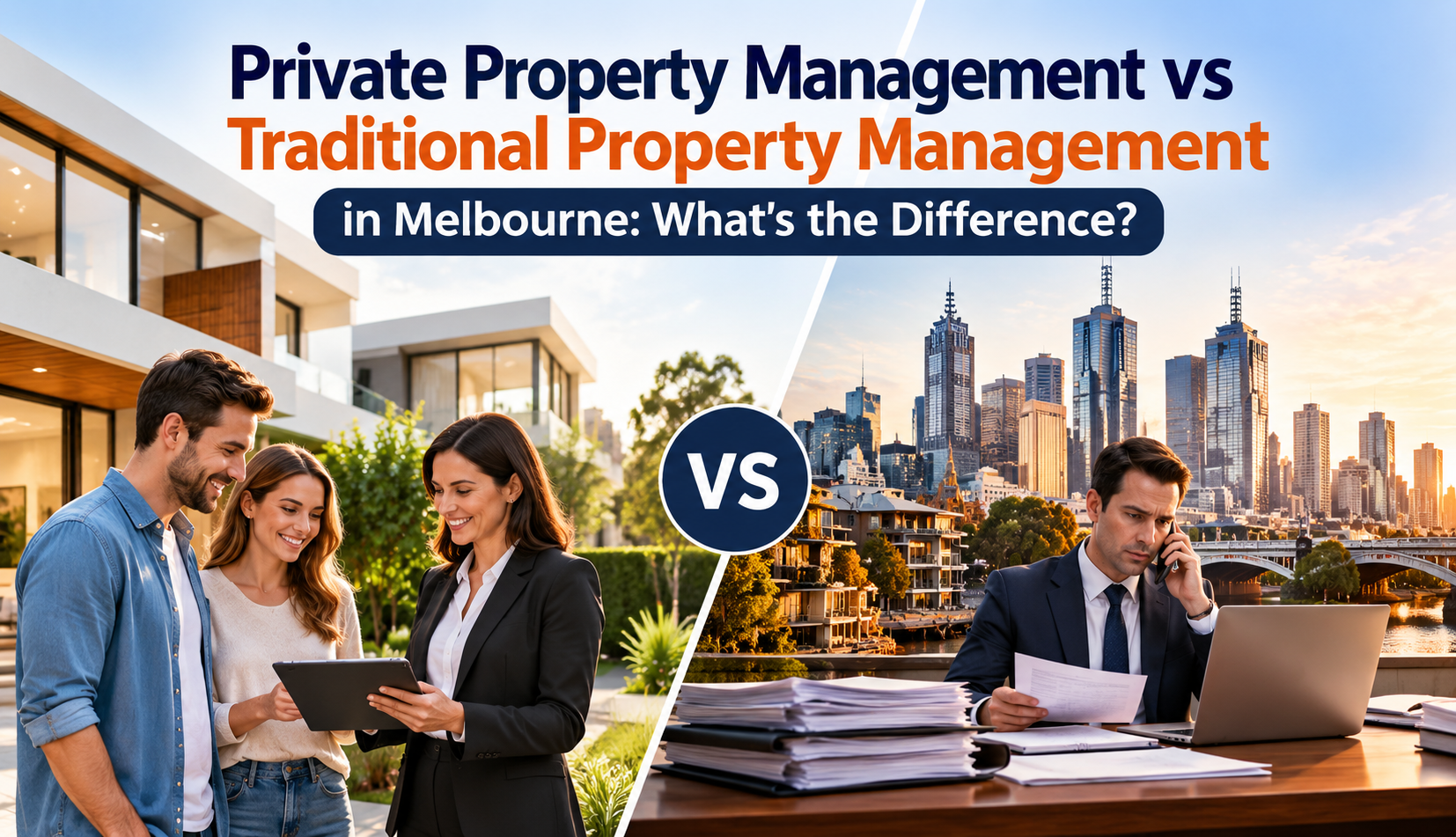
Private Property Management vs Traditional Property Management in Melbourne: What’s the Difference?
Owning a property in Melbourne is about more than bricks, walls and a valuable address. For many owners, a property represents years of hard work, financial security and a place filled with personal memories. Whether you own a family home, a luxury residence or an investment property, protecting its value and keeping it in excellent condition can be a significant responsibility.
However, not every property needs the same level of care. Some owners are comfortable with standard property management services, while others prefer a more personalised approach that pays attention to the property’s condition, presentation, security and long-term value.
This is where the difference between private property management and traditional property management becomes important.
Private Property Management in Melbourne focuses on a tailored approach to overseeing and caring for residential properties, particularly where owners want greater attention to detail and a service suited to their individual needs. Traditional property management, on the other hand, generally focuses on the day-to-day responsibilities of managing rental properties, tenants and leases.
Understanding these differences can help Melbourne property owners choose a service that matches their property, lifestyle and expectations.
What Is Private Property Management?
Private property management is a personalised service designed around the specific needs of a property and its owner. Rather than following a standard process for every property, this approach considers the property’s condition, features, use and the level of attention it requires.
For example, an owner may have a luxury home that remains unoccupied for several months each year. Another owner may have a family residence that needs regular inspections while they are travelling interstate or overseas. In both situations, the owner may want someone to keep a close eye on the property and provide clear updates.
Private property management can include:
- Regular property inspections and condition assessments.
- Monitoring the general condition and presentation of the home.
- Checking for visible signs of damage, leaks or other concerns.
- Coordinating appropriate service providers when required.
- Overseeing the property’s appearance and overall condition.
- Providing updates and reports tailored to the owner’s preferences.
- Helping owners identify potential concerns before they become more serious.
The exact services depend on the provider and the agreed scope of work.
The main advantage of Private Property Management Melbourne is its personalised nature. Owners receive an approach shaped around their property rather than relying entirely on a standard rental management process.
For people who have invested considerable time, money and emotion in their homes, this level of attention can offer valuable reassurance.
What Is Traditional Property Management?
Traditional property management is a service commonly used by landlords who rent out their properties. Its main purpose is to manage the rental process, support tenants and help the owner handle the practical responsibilities of being a landlord.
A traditional property manager often acts as the link between the property owner and the tenant. This can be particularly helpful for owners who have busy schedules, live in another city or prefer not to handle rental matters themselves.
Typical services include:
- Advertising the property and finding suitable tenants.
- Arranging tenant applications and reference checks.
- Preparing rental agreements and managing lease renewals.
- Collecting rent and following up on overdue payments.
- Organising routine inspections.
- Coordinating repairs and responding to tenant requests.
- Providing rental statements and updates to the owner.
The exact services depend on the management agreement.
Traditional property management is a practical choice for owners whose primary goal is to rent out their properties and manage the tenancy efficiently.
However, an owner who wants more detailed oversight of a private residence may need a different service arrangement.
Private Property Management vs Traditional Property Management: Key Differences
Although both services can help protect a property, they differ in their main priorities, level of personalisation and day-to-day responsibilities.
1. Focus on the Property
The first major difference is the purpose of the service.
Traditional property management generally focuses on rental operations. This includes keeping the tenancy organised, managing rent payments, communicating with tenants and coordinating property-related issues.
Private property management places greater emphasis on the individual property’s condition, presentation and specific requirements. The focus may include identifying visible concerns, checking the home when it is unoccupied and coordinating appropriate services to support its ongoing care.
For example, a rental property may require a routine inspection to assess its condition and identify any concerns. A privately managed home may need a more tailored inspection schedule because the owner travels frequently or the property contains valuable finishes and unique features.
With Private Property Management Melbourne, the level of oversight can be shaped around the residence and the owner’s expectations.
2. Personalised Attention
Every home has its own character, and every owner has different priorities.
One homeowner may be particularly concerned about protecting timber floors, stone surfaces and carefully designed interiors. Another may want regular updates while living overseas. A third may simply want to know that their family home is being checked while they are away.
Traditional property management follows the requirements of the tenancy and the agreed management services. Although many traditional agencies offer excellent communication and attentive service, their core responsibilities usually centre on rental management.
Private property management can provide a more individual approach, with attention directed towards the owner’s particular concerns.
This difference can be valuable for people who do not want to feel disconnected from their property simply because they cannot be there in person.
3. Property Inspections and Condition Monitoring
Inspections play an important role in understanding the condition of a property.
In traditional property management, inspections are often connected to tenancy requirements, property condition and the identification of issues that need attention.
Private property management may involve a broader condition-focused approach, depending on the agreed services. This can include checking for visible signs of water damage, changes in the property’s presentation, possible security concerns or other issues that may require further investigation.
For example, imagine a Melbourne homeowner spending three months overseas during winter. A small leak or a blocked drainage point could become a more serious concern if it goes unnoticed.
A suitable inspection arrangement can help identify visible warning signs early and allow the owner to decide what action to take.
It is important to understand that inspections cannot guarantee that every issue will be discovered. Their value lies in providing regular oversight and timely information.
4. Managing an Occupied or Unoccupied Home
Traditional property management is particularly useful when a property is rented to tenants. The manager helps oversee the tenancy, address tenant concerns and coordinate agreed services.
Private property management may be better suited to homes that are not always occupied, including holiday residences, second homes and properties owned by people who travel frequently.
An unoccupied property still needs attention. Weather conditions, plumbing problems, security concerns and changes in the building’s condition can arise even when nobody is living there.
A personalised property care arrangement may include scheduled visits, visual checks and coordination with suitable service providers, according to the owner’s instructions.
For homeowners who spend extended periods away from Melbourne, this support can reduce the burden of trying to manage everything remotely.
5. Communication and Reporting
Good communication helps property owners make informed decisions.
Traditional property managers typically provide updates about rental income, tenant matters, inspections and repairs. The frequency and format of reporting depend on the agency and the management agreement.
Private property management may offer reporting that is more closely tailored to the owner’s preferences. For example, an owner may want photographs from inspections, updates about the home’s overall condition or prompt notification when a concern needs attention.
The difference is not simply how often someone sends an email. It is whether the information provided helps the owner understand what is happening and decide what to do next.
For many owners, peace of mind comes from knowing that concerns will be communicated clearly rather than discovering them unexpectedly when they return home.
6. Costs and Value for Money
The cost of property management depends on the services included, the property’s requirements and the provider’s pricing structure.
Traditional rental management may involve ongoing management fees, leasing fees, advertising costs and other agreed charges.
Private property management may be priced according to the agreed scope of inspections, reporting, oversight and coordination services.
It is not necessarily cheaper or more expensive in every situation. The services are not always directly comparable.
When comparing Private Property Management Melbourne options, ask what is included, how often inspections occur, whether reports contain photographs, how additional services are charged and whether you must approve third-party expenses separately.
The right question is not simply, “Which service costs less?”
Instead, ask, “Which service provides the level of care my property actually needs?”
A clear agreement can help you understand the value you receive and avoid unexpected costs.
Which Type of Property Management Is Right for You?
The right choice depends on how you use your property, how often you are there and the level of support you expect.
Private property management may suit you if:
- You own a high-value or carefully designed residential property.
- You travel frequently or live outside Melbourne.
- Your home remains unoccupied for extended periods.
- You want personalised inspections and condition reporting.
- You prefer a tailored approach to coordinating property-related services.
- You value having a clear point of contact for your property’s individual needs.
Traditional property management may suit you if:
- You own a rental property and want professional tenancy management.
- Your main priorities are rent collection and lease administration.
- You need assistance finding tenants and handling rental enquiries.
- You want support with routine inspections and tenant-related repairs.
- You prefer an established process for managing your investment property.
Some owners may benefit from both types of services. For example, a property owner who rents out a residence may need traditional tenancy management alongside additional property oversight. Whether one provider can deliver both depends on its expertise and the services it offers.
The important thing is to choose a service that matches your circumstances rather than paying for services you do not need.
Why Private Property Management Matters for Melbourne Homeowners
Melbourne has a diverse residential property market, from contemporary apartments and townhouses to established family homes and luxury residences. Each property has different requirements, and a standard approach may not suit every owner’s expectations.
Consider a family who has spent years creating a home they love. Every room, finish and outdoor space reflects their choices and memories. When work or travel takes them away from Melbourne, they may worry about whether the property is being looked after properly.
Having a reliable person oversee the property and provide meaningful updates can make that absence easier to manage.
This is one of the reasons Private Property Management Melbourne can appeal to homeowners who value personalised care. The service can help them stay informed about their property without having to organise every inspection or follow up on every concern themselves.
It also encourages a proactive approach. Identifying a visible issue early may allow an owner to investigate it before it develops into a more costly problem.
Although no management service can eliminate every risk, appropriate oversight can help owners make better-informed decisions about protecting their homes.
How to Choose a Private Property Management Provider in Melbourne
Before choosing a provider, take time to understand how its services work.
Here are five important questions to ask:
- What services are included? Ask for a clear list of inspections, condition checks, reporting and coordination services.
- How are inspections conducted? Find out how frequently the property will be visited and what the reports will cover.
- How will I receive updates? Confirm whether communication will be provided through email, photographs, written reports or another agreed method.
- Who coordinates additional services? Understand how service providers are selected, how approvals are obtained and who is responsible for the associated costs.
- Is the agreement tailored to my property? Make sure the proposed service reflects your home’s condition, occupancy and individual requirements.
A trustworthy provider should explain its responsibilities clearly, communicate openly and avoid promising outcomes it cannot guarantee.
For rental properties, also confirm whether the provider is appropriately authorised to undertake any regulated real estate activities.
Ultimately, the best provider is one that understands your expectations and gives you confidence in the way your property is being overseen.
Final Thoughts
Your property is more than a financial asset. It may be the home where your family grew, the result of years of hard work or an investment you hope to pass on to the next generation.
Choosing the right management service means finding a balance between practical responsibilities and the reassurance that comes from knowing your property is receiving appropriate attention.
Traditional property management remains a strong option for owners who need help managing tenants and rental operations. Private property management offers an alternative for owners who want a more personalised approach to property oversight and condition monitoring.
For homeowners seeking Private Property Management Melbourne, the most important consideration is whether the service matches their property’s needs and their expectations as an owner.
With a clearly defined scope, reliable communication and suitable inspection arrangements, you can spend less time worrying about your property and more time enjoying the freedom and confidence that come with owning it.